The Grass is Greener: Choosing Between Natural and Synthetic Lawns Jun 15, 2026
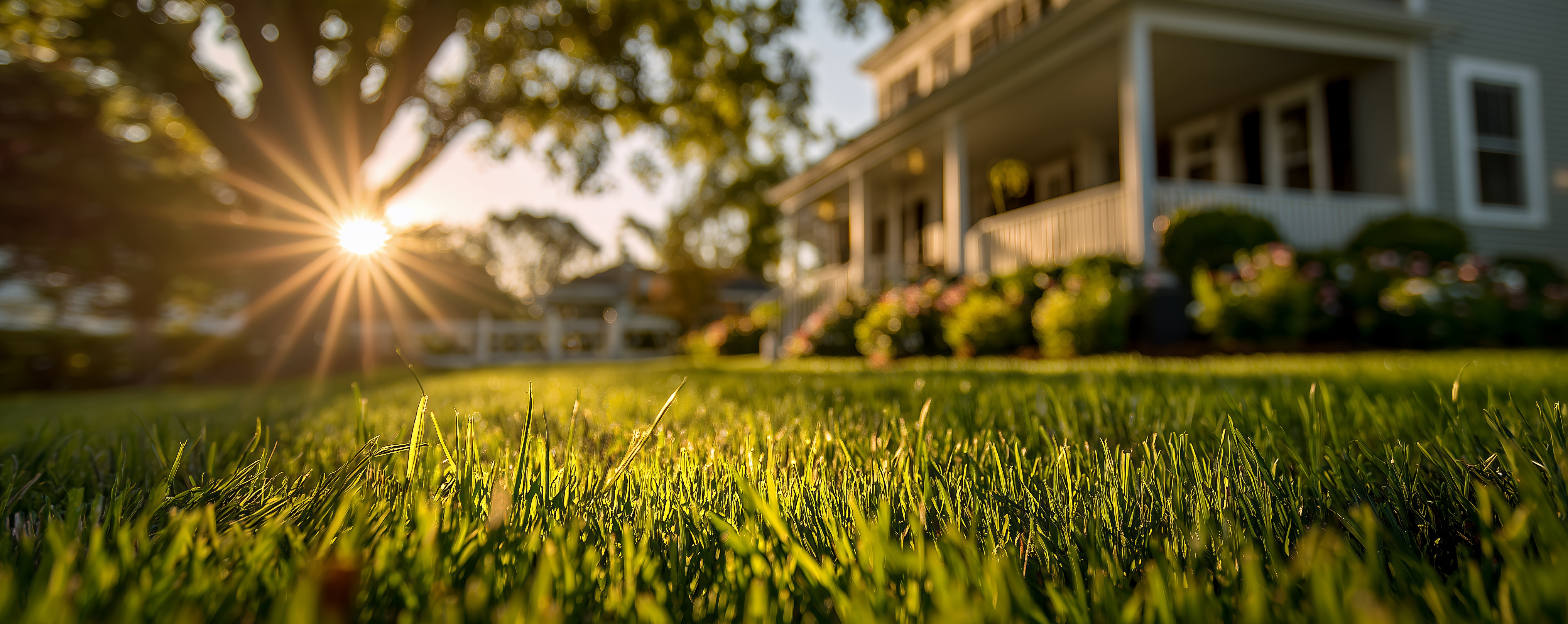
When considering a natural lawn, many find the beauty of real grass unmatched. It provides a lush, cooling effect that can lower surface temperatures around your home while offering a natural environment for wildlife like birds and insects. Natural lawns contribute to the ecosystem by absorbing carbon dioxide and releasing oxygen, creating cleaner air around your property. Furthermore, the tactile experience of walking on organic grass can be unmatched, making it a family favorite for barefoot adventures.
However, maintaining a natural lawn requires commitment. Regular mowing, watering, and seasonal fertilization are necessary to keep it healthy and vibrant. Weed control and pest management can also present challenges, often requiring the use of chemicals that may not be environmentally friendly. Additionally, during prolonged dry spells, a natural lawn might suffer, losing its lush green look and becoming patchy and brown.
On the other hand, synthetic lawns have gained popularity due to their low maintenance requirements and long-lasting green appearance. Made from durable materials designed to mimic the look and feel of actual grass, synthetic lawns require no watering, mowing, or fertilizing. This makes them an excellent choice for homeowners who are time-poor or want to reduce their water usage significantly. Synthetic lawns are particularly beneficial in regions prone to drought as they maintain their lush appearance regardless of weather conditions.
Despite these benefits, synthetic lawns come with their own set of drawbacks. The production and disposal of synthetic materials can have a negative environmental impact. Additionally, while you save water, the initial installation process can be costly, requiring expert services to ensure proper setup. During the hottest months, synthetic lawns can absorb heat, making them uncomfortable to walk on barefoot and raising surrounding surface temperatures.
When deciding between a natural or synthetic lawn, consider what aspects are most important to you. If environmental impact and biodiversity matter most, investing in a natural lawn might be your best bet. However, if low maintenance and consistent appearance are your priorities, a synthetic lawn could be the ideal solution.
At Perfect Lawn Solutions LLC, we understand the intricacies involved in making the right choice. We recommend discussing your specific needs with our team of experts who can tailor advice to help you achieve the perfect yard. Whether you decide on a natural or synthetic solution, we provide a range of services to ensure your lawn remains beautiful all year round.
In conclusion, both natural and synthetic lawns offer unique benefits and challenges. Carefully evaluating the maintenance requirements, environmental concerns, and long-term costs will guide you to a decision that enhances your outdoor space with a lawn you'll love. Make the choice that best suits your lifestyle, aesthetic preference, and environmental philosophies, and enjoy the myriad pleasures of a beautiful, vibrant lawn.
/filters:no_upscale()/filters:format(webp)/media/3200e1bc-e806-4c7f-9fa5-4d4c53b980d2.jpeg)
/filters:no_upscale()/filters:format(webp)/media/effe96d3-c5b8-4865-a9ab-6422f6c62ecf.jpeg)