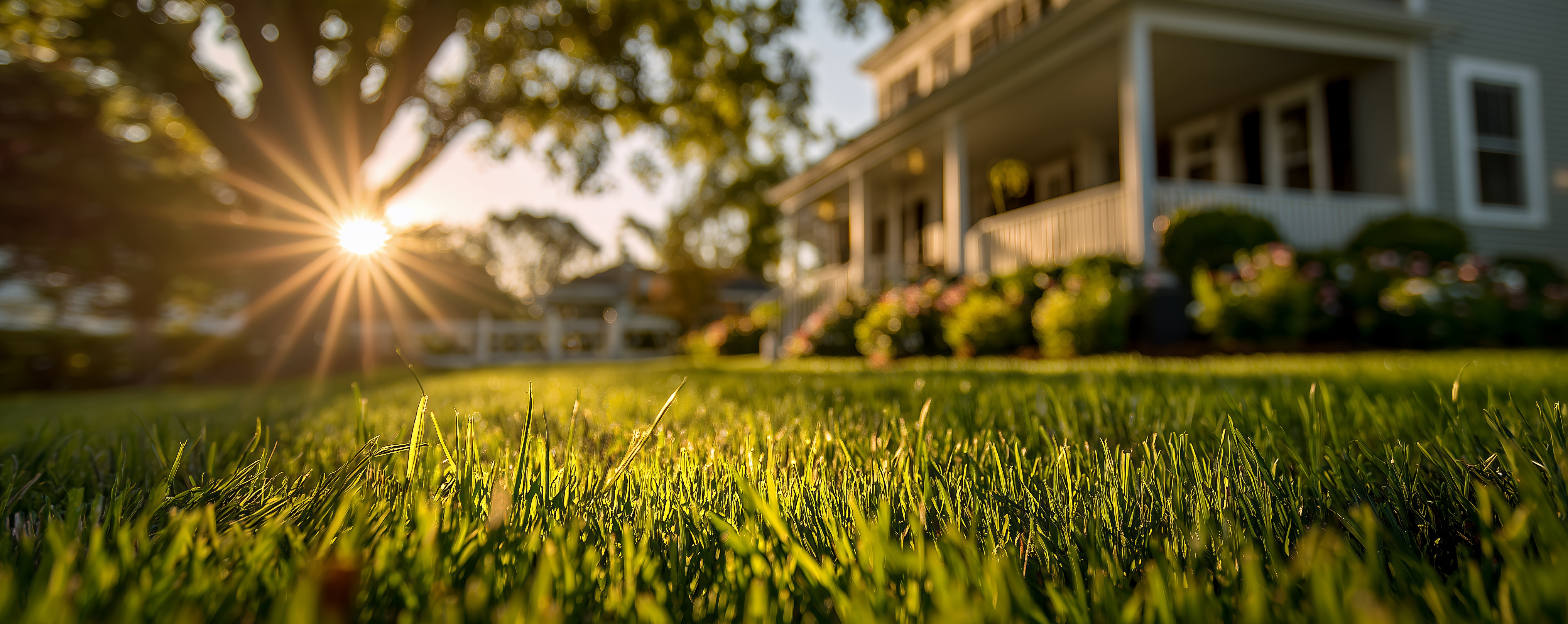
Crafting a Sustainable Lawn: How to Balance Beauty and Eco-Friendliness Apr 04, 2026
To begin cultivating a sustainable lawn, it's crucial to consider the basics of soil health. Healthy soil is the foundation of any successful lawn, acting as a reservoir of nutrients and a home for beneficial organisms. Conduct a soil test to determine its current pH and nutrient levels. This will allow you to tailor your lawn care practices, ensuring that what you add to the soil benefits your lawn while avoiding excesses that can harm the environment.
Choosing the right type of grass is also essential. Opt for native grass varieties that are well-suited to your region’s climate. These grasses are typically more drought-resistant and require fewer resources in terms of water and fertilization, making them a more sustainable choice. Moreover, native grasses promote biodiversity and help your lawn blend seamlessly with the surrounding environment.
Watering practices can also greatly impact the sustainability of your lawn. Overwatering not only wastes precious resources but also can lead to unhealthy root systems. Instead, aim to water deeply but infrequently, allowing the soil to absorb and retain moisture. Early morning is the best time for watering since less water is lost to evaporation. Consider installing a rain barrel or an efficient irrigation system to further reduce water consumption.
Fertilization is another key area where eco-friendly practices can make a big difference. Instead of relying solely on chemical fertilizers, consider organic options. Composting lawn clippings and other organic material not only reduces waste but also enriches the soil naturally. Applying compost or natural fertilizers provides essential nutrients without the negative environmental impacts of chemical runoff.
Weed and pest control can also be approached in an environmentally friendly manner. Manual removal of weeds, though more labor-intensive, is often the least invasive method. If more control is needed, opt for organic herbicides and pesticides, which are less harmful to human health and biodiversity. Integrated pest management techniques can help you maintain a balanced ecosystem and support beneficial insects.
Routine lawn maintenance, such as mowing, also plays a role in sustainability. Mow your lawn at a higher setting to encourage deeper root growth, which leads to more drought-resistant grass. Leaving grass clippings on the lawn, a practice called grasscycling, adds valuable nutrients back to the soil and reduces waste.
Finally, be patient and observe. Sustainable lawns often take longer to establish, but the benefits to the environment and your peace of mind are worth the effort. Over time, these practices will help reduce maintenance costs and improve the health and resilience of your lawn.
In conclusion, crafting a sustainable lawn is about making informed, responsible choices that enhance beauty while minimizing environmental impact. Perfect Lawn Solutions LLC is here to guide and support you in these efforts, ensuring your lawn not only looks good but also does good. By adopting these eco-friendly practices, you’re investing in a landscape that future generations will thank you for.
/filters:no_upscale()/filters:format(webp)/media/3200e1bc-e806-4c7f-9fa5-4d4c53b980d2.jpeg)
/filters:no_upscale()/filters:format(webp)/media/effe96d3-c5b8-4865-a9ab-6422f6c62ecf.jpeg)